HARRISON HOT SPRINGS, British Columbia — The province’s public health authorities are calling for universal testing for HIV for all citizens. One-fourth of British Columbians carrying the life-threatening disease do not know they are infected, according to B.C.’s Centre for Excellence in HIV/AIDS, who spoke on the need for testing Monday.
“They do not know that they are infected, and they do not even expect that they are infected,” said Dr. Julio Montaner, Director of the Centre for Excellence.
“It is critical that we find that 2,000 people who are affected.”
The public health officer called for universal testing, which means that every person in the province would be tested for HIV.
Montaner said it was necessary to find the thousands of British Columbians in order to offer them treatment, and more importantly, he said, prevent further HIV transmission.
The province should be motivated not just because of humanitarian issues, said Montaner. Treating and preventing diseases like HIV is also about saving money.
“This is exponentially a lifesaver and a money-saver in the world,” said Montaner, referring to the higher costs involved in treating already-affected disease sufferers once their condition worsens as well as the costs involved in treating the higher numbers of HIV-infected that will result from not finding those currently infected.
There is no real model for B.C. to follow in fighting HIV, Montaner said, because the province is already at the forefront of fighting HIV globally. It will have to pioneer the path.
“We don’t just recommend stuff. We recommend it and we implement it,” he said.
Montaner also asserted positively that HIV could be wiped out if proper measures were implemented.
“Yes we can,” said Montaner. “We have demonstrated that by treating patients, we can make them virtually non-infective.”
The health authority is aiming for 90-90-90 by 2020. The plan holds that if 90 percent of those infected with HIV know their status and 90 percent receive treatment — full viral suppression with anti-viral therapy — we will see a 90 percent reduction in AIDS and AIDS deaths.
“They would pour boiling hot water on us” — Free Tibet submits torture evidence as China reviewed at UN Director meets Committee Against Torture
Campaign group Free Tibet and its research partner Tibet Watch provided oral evidence to the United Nations’ Committee Against Torture Monday, following up their written submission detailing the continued use of torture across Tibet. The groups’ report “Torture in Tibet” contains graphic testimonies from torture survivors, records deaths in custody as a result of torture and details how Tibetan prisoners continue to face degradation, abuse and mental and physical torture.
The submission and presentation form part of the Committee Against Torture’s (CAT) review of China’s compliance with the International Convention Against Torture which the PRC ratified in 1988. China was last reviewed by the committee in 2008, when it found torture across China and Tibet to be “widespread” and “routine” and expressed “great concern” about reported torture and state violence in Tibet.
“Torture in Tibet” (co-authored with Tibetan political prisoner association Gu Chu Sum) records the testimony of Gonpo Thinley, jailed following the 2008 Uprising in Tibet:
“They tortured us using electric batons, metallic water pipes and handcuffs. If our answers didn’t satisfy the interrogator, they would pour boiling hot water on us. They also tied both hands up on the ceiling and beat us on our feet with batons. We were hanging above the ground. Sometimes they also used electric batons in our mouth, which caused us to lose consciousness. During cold days or winter, we were put in cold water.”
A monk who wished to remain anonymous reported:
“They made us stand up in the sun for hours, even for the whole day following every interrogation, because we didn’t say anything. One of my friends was tied to the flagpole in the centre of the government campus for two days and two nights without food and water. They shoved me down over pieces of broken glass spread on the ground and beat me a lot with batons after I’d refused to confess. They said we were like animals because we said nothing in between beatings.”
In February, the three Tibet organisations submitted an initial joint report to CAT, providing case studies of tortured prisoners and those at risk of torture and detailing breaches of the Convention’s requirements. The committee subsequently raised these issues and cases with China as part of the preliminaries to the review. China’s delegation will be questioned by the committee on Tuesday and CAT’s final report will be issued early in 2016.
Free Tibet and Tibet Watch director Eleanor Byrne-Rosengren said:
“In their responses so far, China would have us believe that there is no torture in Tibet and our evidence is false. Today we will be urging the Committee Against Torture to press for answers on the questions China would rather avoid. If the Committee’s past performance is anything to go by then tomorrow we’ll see China squirm under international scrutiny and be asked to account for the Tibetans who have been convicted on the basis of confessions extracted by supposedly illegal torture and those who have left Chinese prisons either dead or permanently injured by years of torture and abuse.”
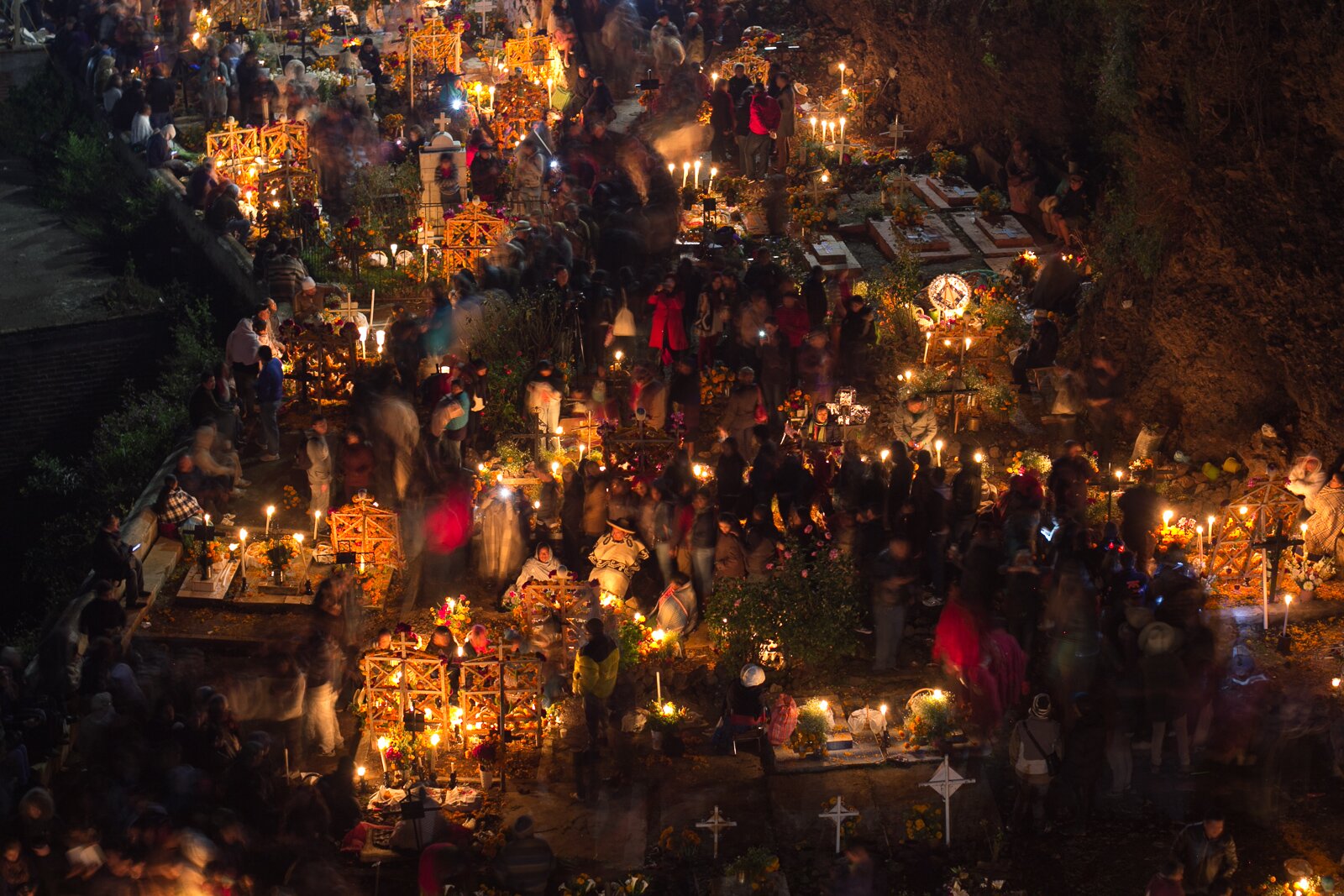
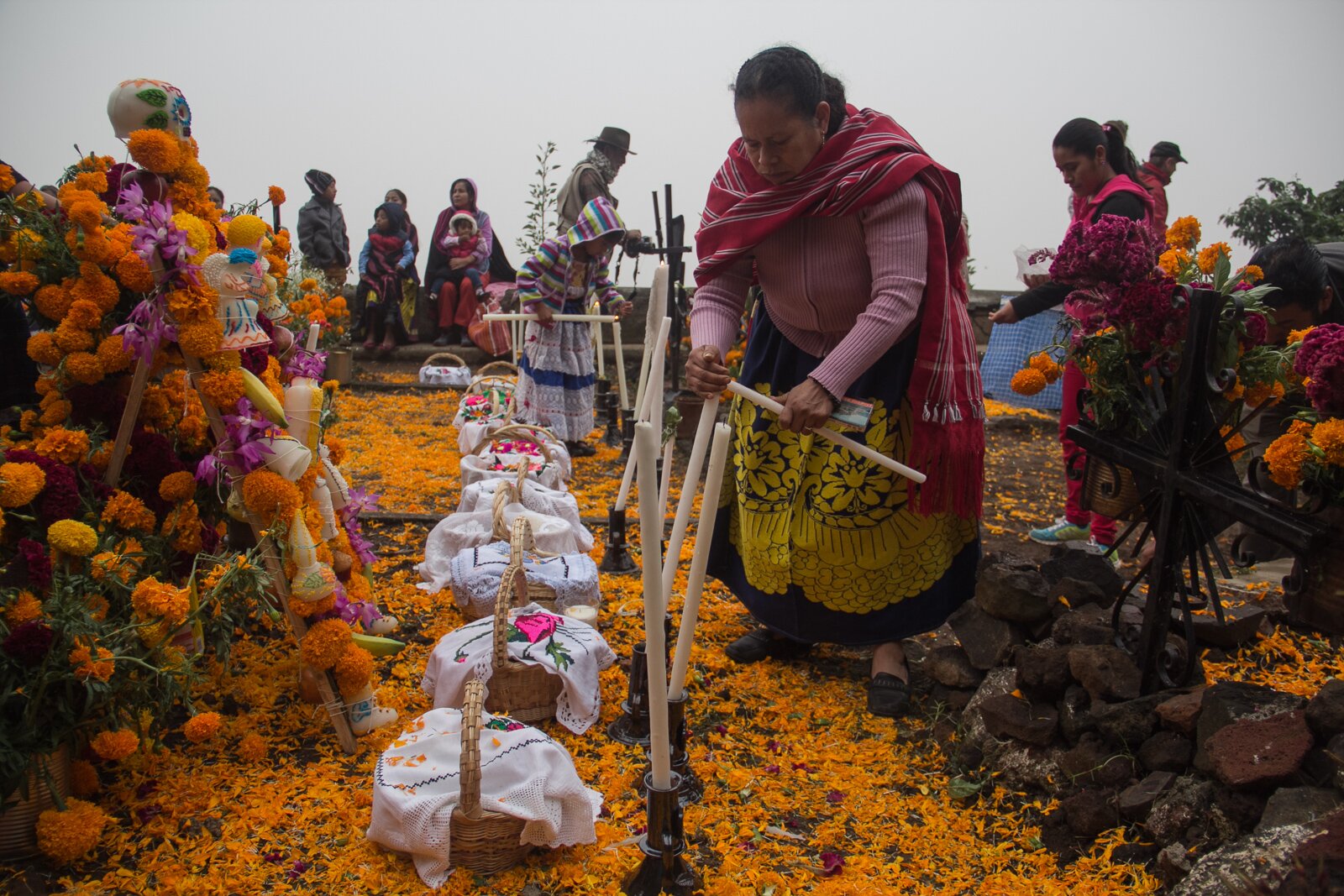
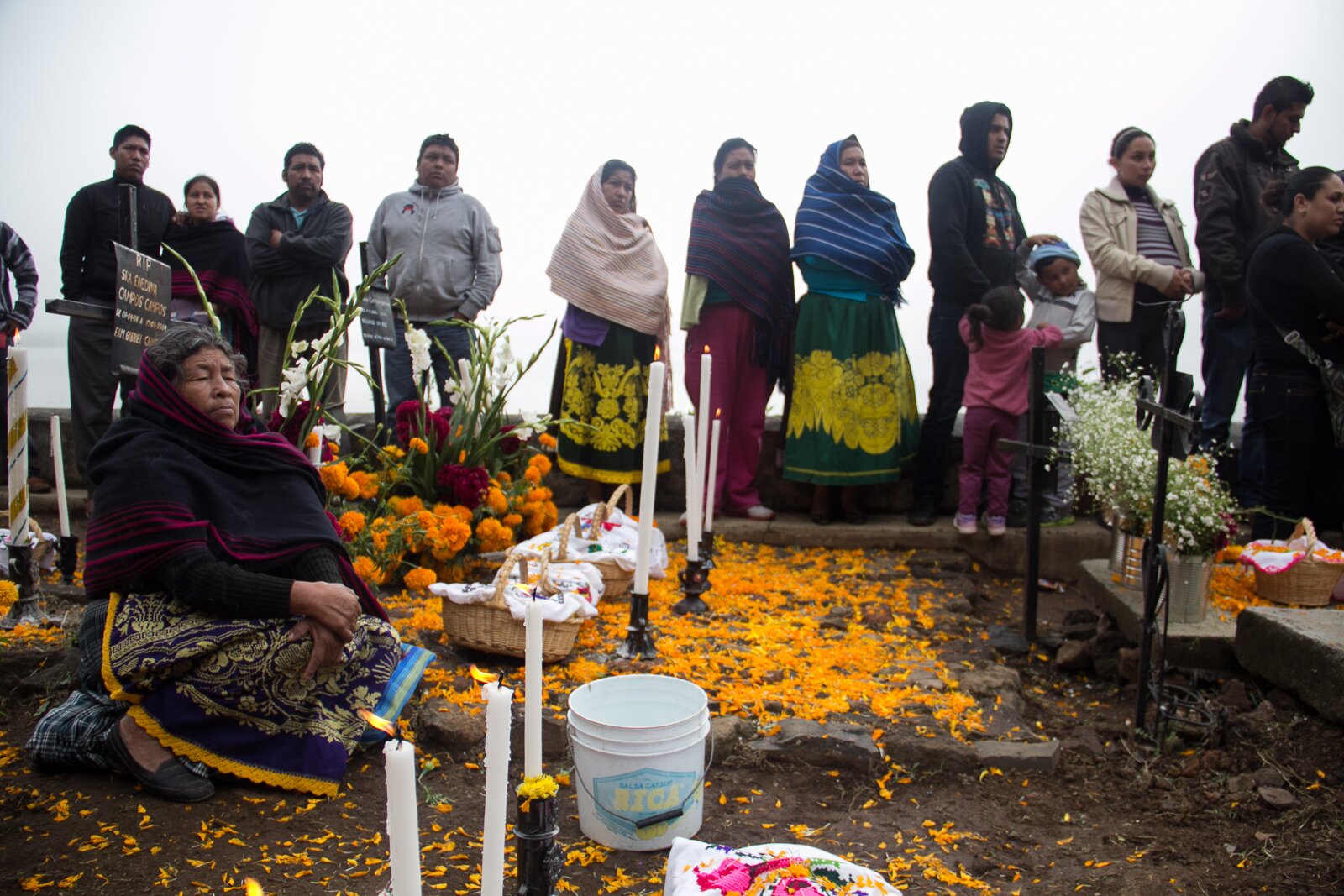
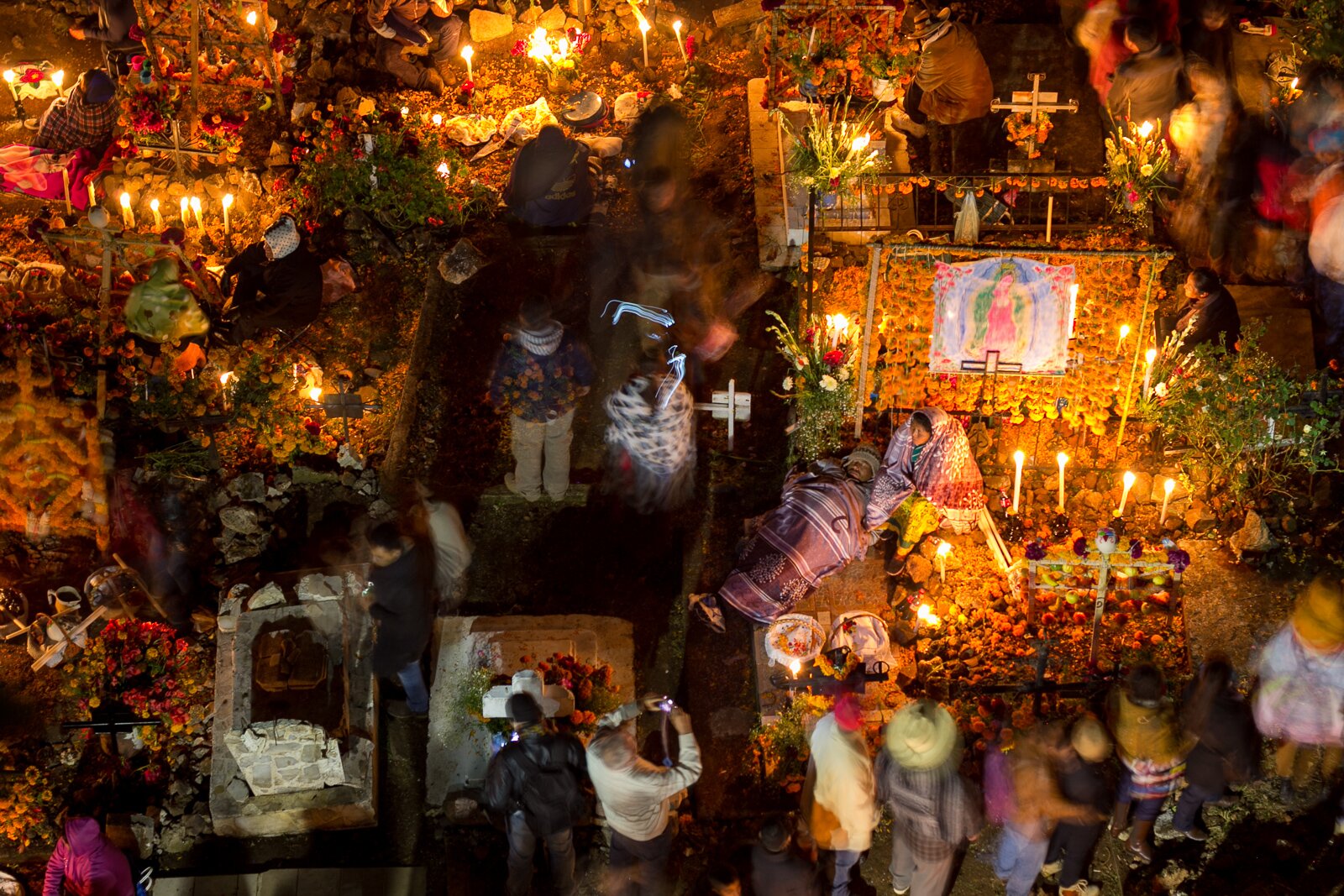
JANITZIO, Mexico — Hundreds of candles flickering, the smell of Cempasúchil flowers freshly collected and an ethereal mist fill the cemetery as Mexicans honor their deceased loved ones during the Day of the Dead on the small island of Janitzio.
The festival is one of Mexico’s most rooted traditions. It has been alive for over 4,000 years and is celebrated by millions throughout the country, attracting tourists from all over the world.
In Janitzio, in the state of Michoacan, a group of indigenous people called Purepechas exercise self rule over the island in the form of a cooperative, and each year they prepare themselves to honor their loved ones in the old-fashioned way. They receive thousands of tourists wanting to witness the folklore of the island. For the Purepecha people this represents a double-edged moral issue: On one hand the excessive flow of tourists prevents them from performing their rituals and honoring their deceased in peace, but on the other hand, tourists provide an important source of income to the local economy that cannot be ignored.
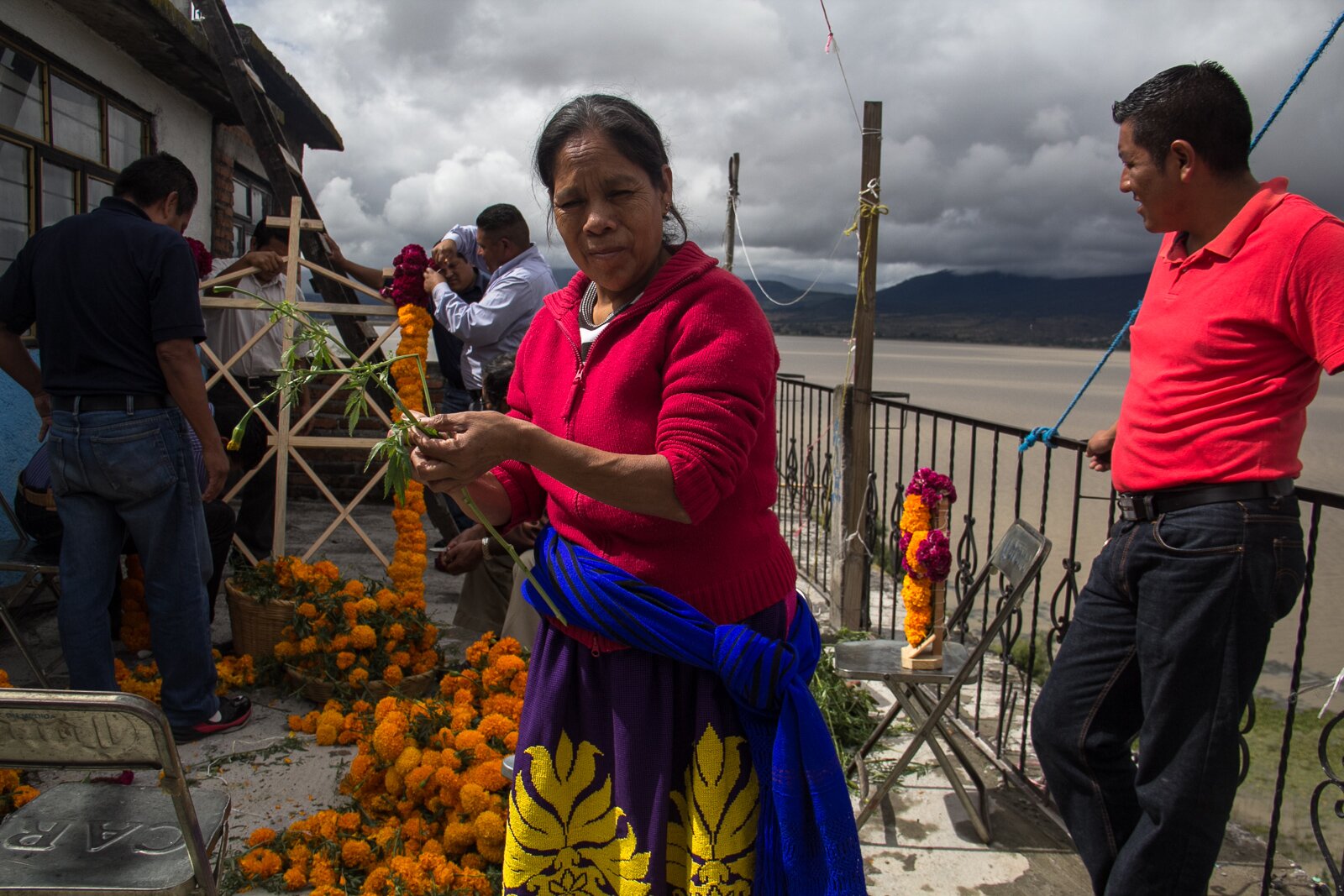
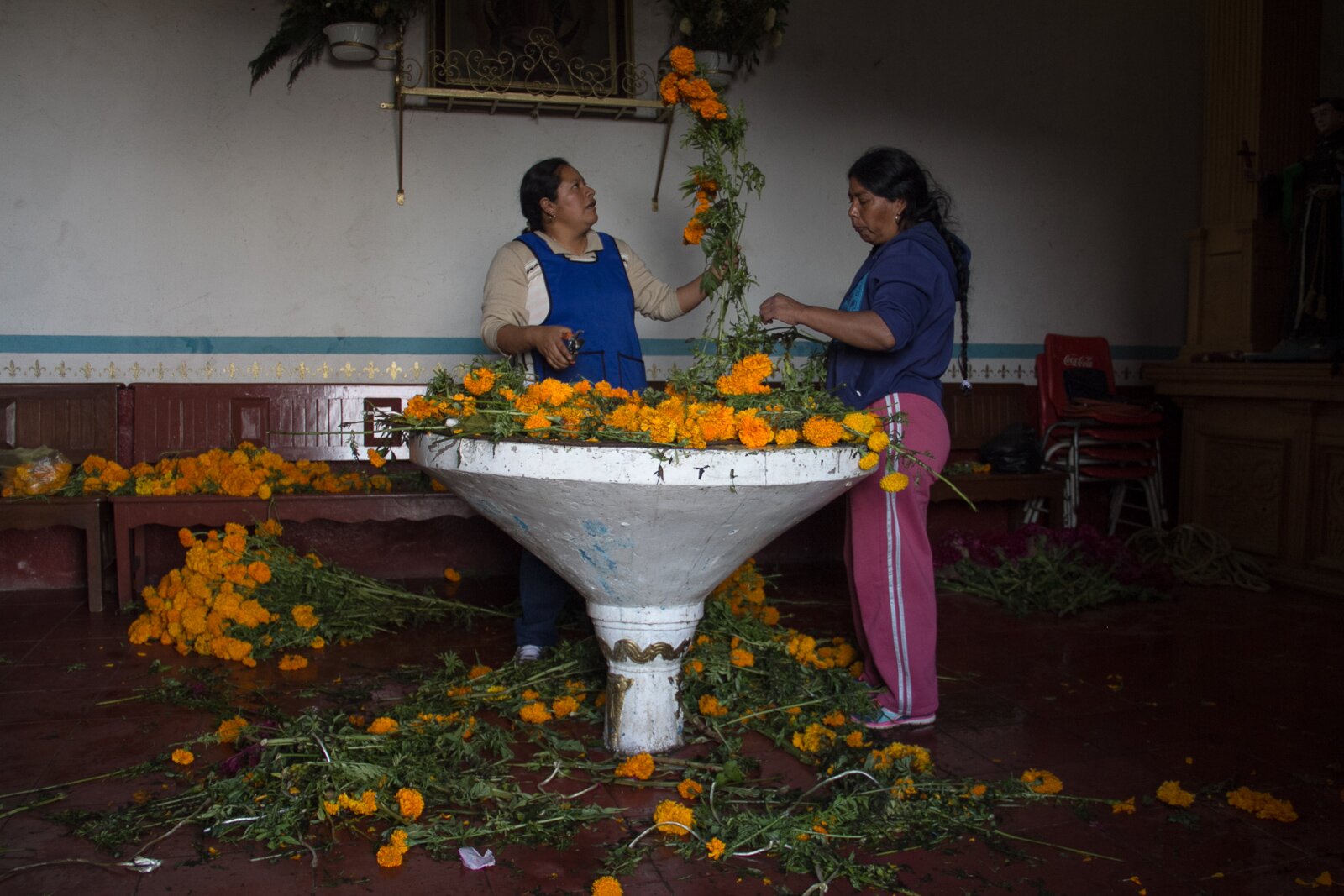
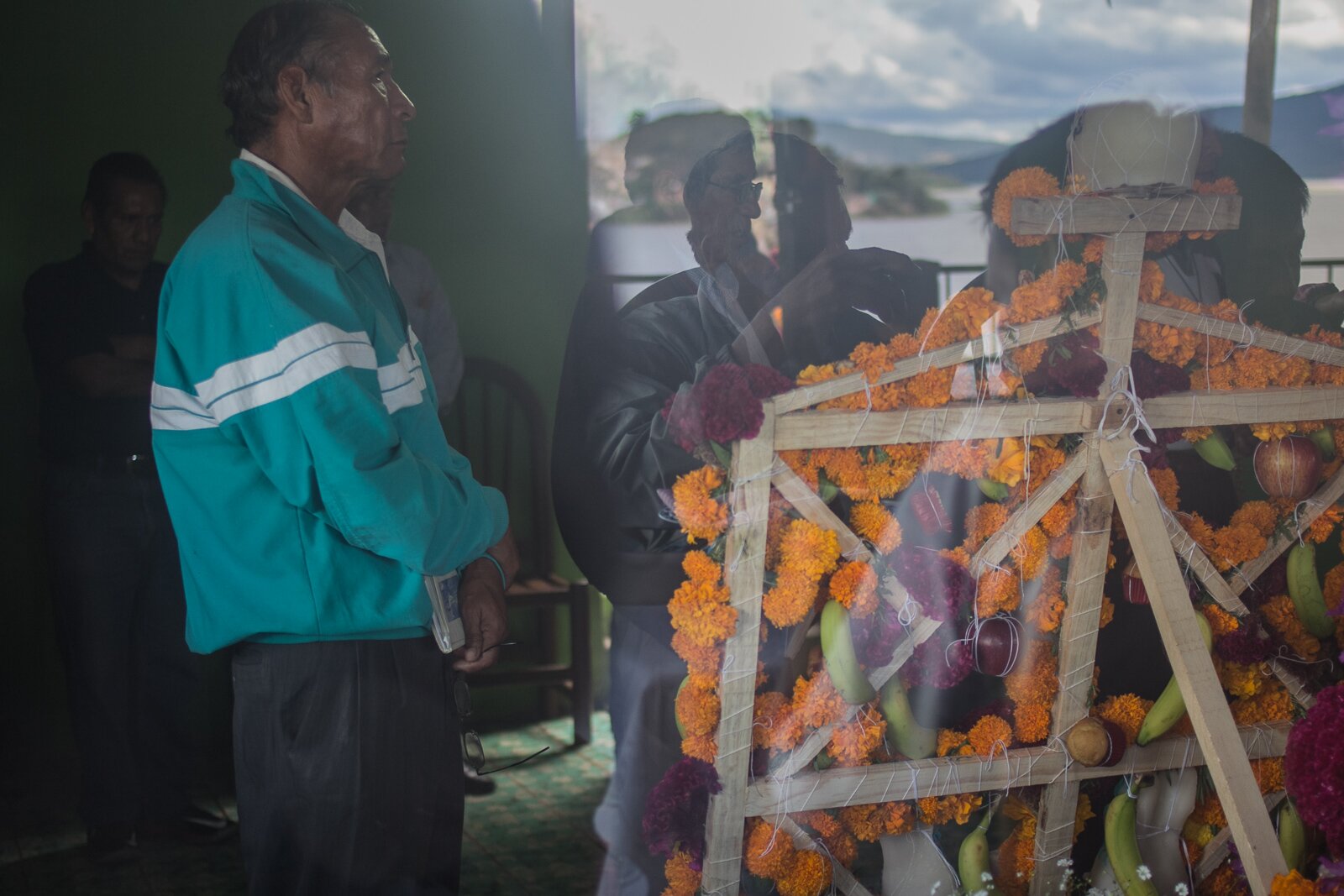
The celebration starts on October 31, when friends and family gather together to create a huge wreath of marigold flowers, fruits and sweets which will be taken to the cemetery on November 1. A feast in honor of the deceased is held in which the taste of traditional food delights the palate of those present; meanwhile, locals start preparations to receive the biggest flow of tourists the island will see all year — boats, life jackets, handcrafts, spectacles, everything must be ready for their arrival.
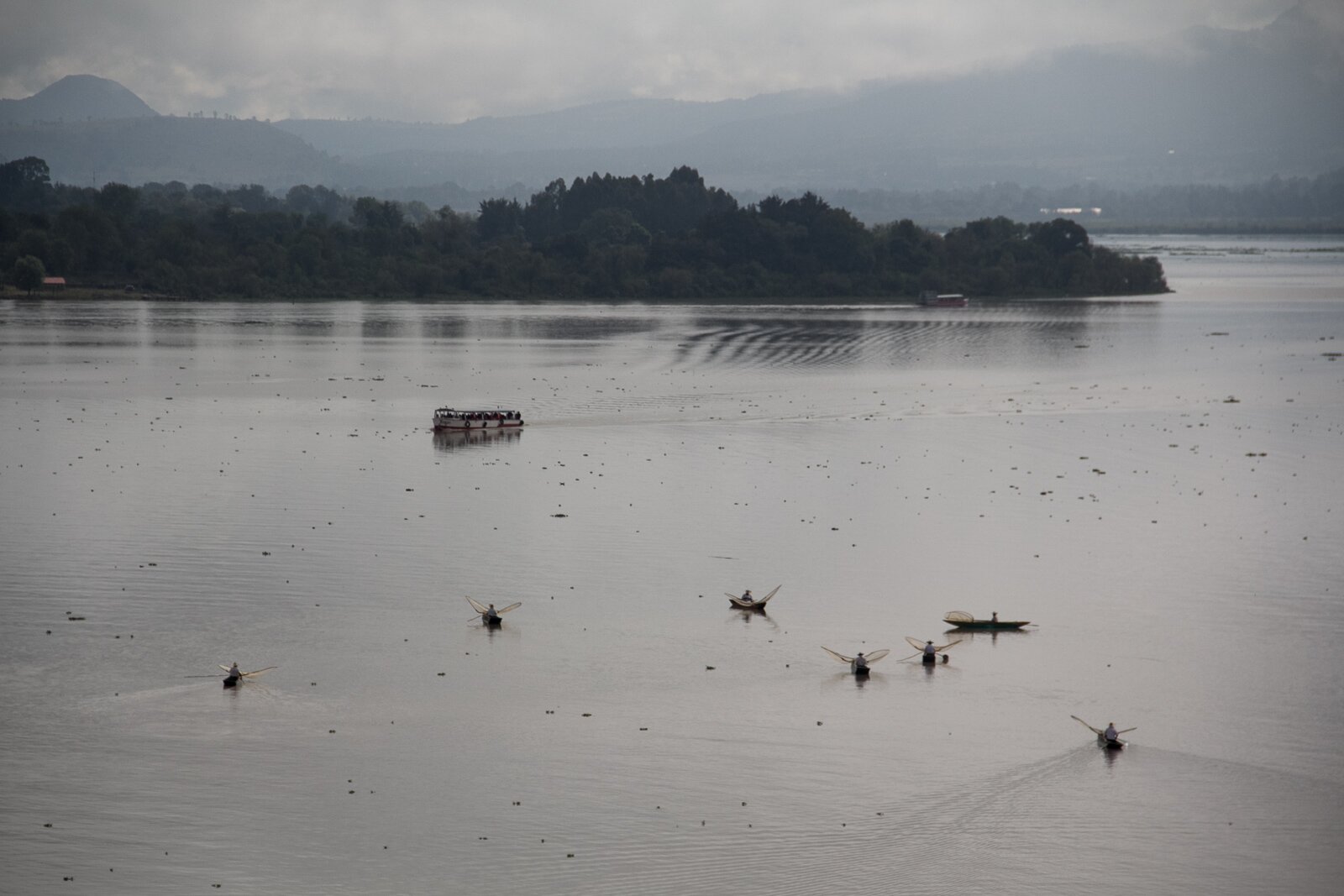
In the cemetery of Janitzio at 5 a.m. on the first of November, families of the deceased are carrying marigold flowers and offerings. This will be the only part of the day when they can enjoy their time with the dead in peace. A mass takes place at the cemetery and in the distance the first boatloads of tourists are slowly making their way to the island. A heavy mist can be seen from the cemetery, perhaps the announcement of the arrival of another kind of visitor — those who don’t belong to the living world.
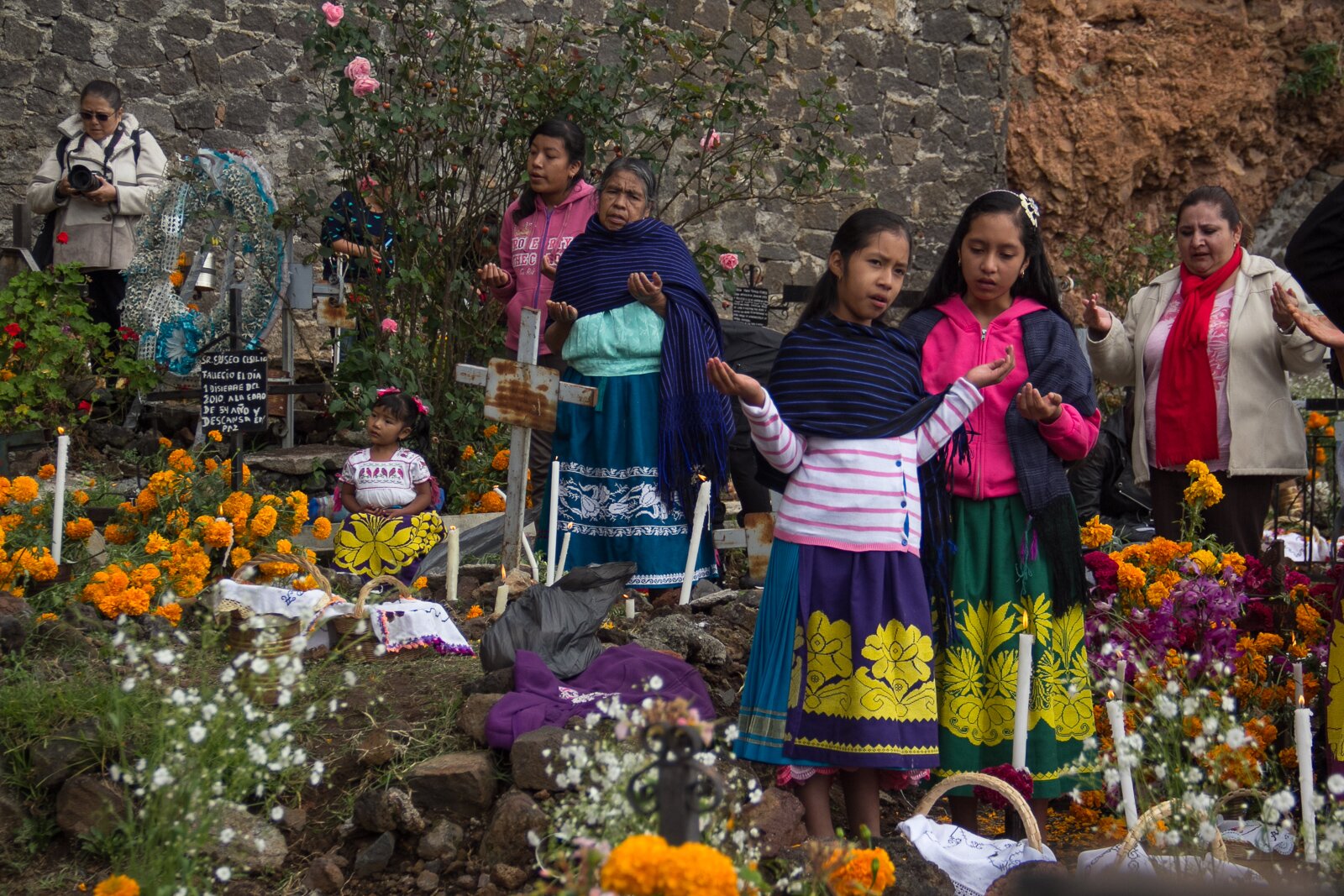
Day of the Dead is a holiday celebrated throughout Mexico. The celebration focuses on gatherings where family and friends pray for and remember those who have died, in order to support their spiritual journeys. In 2008, the tradition was inscribed in UNESCO’s Representative List of the Intangible Cultural Heritage of Humanity.
It is not only a very emotional time, but also an important holiday in which pre-Hispanic culture meets the Catholic church. The sadness of the loss of loved ones blends with celebration because death, as the Mexicans see it, is not a definitive end to life but is just another kind of life. According to Mexican belief, the souls of the dead come to earth in this time period to visit their relatives. And they lay flowers, fruit, pastries or drinks on the graves of their loved ones.
The production Motus Prague, in cooperation with Cristina Maldonado, brings a bit of Mexico to the Czech lands — all with the support of Prague 7 City District and the Embassy of Mexico in the Czech Republic.
In the surroundings of Stromovka park, parents and children experience the traditional customs and various cultural events — for the kids the events are staged by Toy Machine and Nebezpečné divadlo/Dangerous Theatre, and Aztec dance performance by Juan Manuel Garcia.
They also enjoy live Mexican music by Sombrero Negro. Participants can take part in special food making, such as decorating skull lemon cookies by Prague Pie Hole, or can simply taste various the Mexican dishes provided for festival goers.
Children also engage in a large number of workshops, such as hand-made lanterns by Artual, masks by Kreslírna/Artroom Letná, and clay graffiti by Muddum.
By Michaela Škvrňáková
Photos: Michaela Škvrňáková
Salami, sausage, ham and bacon — the latest study by the International Agency for Research on Cancer (IARC) has found a strong link between processed meat and bowel cancer, as well as evidence for probability of such a link also between red meat and bowel cancer.
IARC, which is the World Health Organisation’s cancer research body, classifies compounds’ carcinogenic properties on a scale of decreasing certainty. In group 1 are agents that are definitely carcinogenic to humans; in 2A those that are probably carcinogenic to humans; 2B includes those that are possibly carcinogenic to humans; 3, includes not classifiable agents; and in group 4, those that are probably not carcinogenic to humans.
Processed meat “refers to meat that has been transformed through salting, curing, fermentation, smoking, or other processes to enhance flavour or improve preservation”, includes things like salami, sausage, ham and bacon, and has been ranked in group 1 by IARC, in the same category as tobacco and alcohol.
According to the study, for every 50 grams of processed meat consumed daily, the risk of colorectal cancer increases by 18 per cent.
In their press release Dr Kurt Straif, Head of the IARC Monographs Programme, said: “For an individual, the risk of developing colorectal cancer because of their consumption of processed meat remains small, but this risk increases with the amount of meat consumed. In view of the large number of people who consume processed meat, the global impact on cancer incidence is of public health importance.”
Although the study scores red meat better than processed meat, its 2A classification means it is now on par with glyphosate, a herbicide contained in products such as Monsanto’s Round-Up, the probably carcinogenic properties of which made headlines earlier in the year. However according to IARC, eating red meat is not just linked to bowel but to pancreatic and prostate cancer too.
Meat industry groups and the research institutes they fund reject that eating meat is on par with smoking or other lifestyle causes to cancer, such as alcohol consumption, obesity and lack of exercise. Nutritionists also argue that the benefits of eating red meat regularly, in combination with plenty of fruit, fibre and exercise, counteract the risk to colorectal cancer.
Yet the debate on the health effects of processed and red meat is nothing new, and neither are the recommendations by health practitioners to limit the amounts consumed to reduce the risk of obesity, diabetes, and heart disease – although the IARC study falls short of setting a safe recommended amount for red meat.
Environmentalists have too been highlighting for sometime how an increasingly intensive meat industry – responsible for much deforestation, carbon emissions, reliant on fossil fuels and addicted to antibiotics, is not a sustainable source of food for people and planet.
Even if one doesn’t accept the latest findings by IARC, it seems there are many reasons to limit our processed and red meat intake. Whether a healthy heart or a healthy planet is your thing, good old moderation may well just do the trick.
Why in Vancouver’s wealthy neighborhoods — where houses cost over $2 million — over 30 percent of residents claim poverty
Mansion owners in Vancouver are claiming poverty at the same levels as those suffered by the city’s homeless struggling in the Downtown Eastside.
A recent study by University of B.C. geographer Dan Hiebert has revealed that wealthy business-investor immigrants to Canada — hundreds of thousands of whom have chosen to relocate to Vancouver — are “poor” enough to receive social welfare.
Areas of Vancouver that report extreme low income (Dan Hiebert)
The neighborhoods that report the most poverty, according to Hiebert’s report, which is based on Statistics Canada data, are the upscale Metro neighborhoods with high proportions of immigrants — mostly Chinese.
In these areas over 30 percent of adults claim poverty.
The houses in these areas, including Shaughnessy-Arbutus, south of Oakridge Shopping Center, and north-central Richmond — sell in the range of $2 million to $6 million Canadian.
Shaughnessy-Arbutus is currently 50 percent Chinese and 34 percent white, although the percentage of Chinese in all of Vancouver’s neighborhoods is currently rising.
South of Oakridge Shopping Center, the percentage of Chinese is 70 percent. Whites make up 20 percent.
Several north Richmond neighborhoods are “low-income” according to tax stats. These neighborhoods are also approximately 60 percent Chinese.
Hiebert’s data echoes another recent study conducted by Vancouver mathematician Jens Von Bergmann which found that 1 in 10 households declare less income than they spent on housing costs — mostly in Vancouver’s West Side.
Canada’s business investor program allowed foreign nationals to obtain a Canadian passport in exchange for a temporary investment of $800,000 Canadian — an amount much lower than similar programs in other countries popular with wealthy immigrants. The program was cancelled last year but the Quebec business investor program remains in use, allowing thousands to land in Quebec before relocating to Vancouver.
Just those immigrants who have relocated to Vancouver (current population under 2.5 million for Greater Vancouver Area) using this program amount to approximately 200,000 in the last generation. However, the number of new immigrants to Vancouver is estimated to be over 30,000 per year.
Many Canadians see this issue in terms of tax fairness because those rich in assets but poor in income do not pay for public services.
However, a further consideration exists, according Vancouver immigration lawyer Samuel Hymm.
Many of these families actually do have high incomes — a phenomenon in Canada known as “astronauts” because the husband usually works overseas while the wife and children live in Canada — but these incomes are not reported and, according to Hymm, neither the B.C. government or the federal government are cracking down on rich home buyers.
Critics such as Immigration Watch Canada’s Dan Murray have pointed out the political nature of the problem. Despite the breadth of the issue and the cost to Canadian taxpayers, no Canadian political party has said a word about it, despite the current federal election.
“So far, none of our five major political parties has even uttered a peep about this matter,” Murray told The Speaker. “The point is that several million immigrants — particularly hundreds of thousands of Investor Immigrants — have been taking huge amounts of economic and social benefits from Canada, but have been contributing next to nothing. And they have been getting away with it because the Canada Revenue Agency has not pursued these hundreds of thousands or millions of cheats.”
Murray has asserted that the issue should be a top election matter. “It translates into a major scandal,” Murray said. “It should be a major election scandal.”
MEXICO CITY — Thousands of people took to the streets Saturday to mark the anniversary of the disappearance of 43 students from Ayotzinapa, Guerrero in a case involving corrupt police and high-ranking members of the army that continues to trouble Mexican President Enrique Peña Nieto.
Parents and relatives of the missing students led the march from an area close to the presidential residence of “Los Pinos,” carrying with them pictures of their loved ones and shouting slogans rejecting the official statement of their fate.
Days before the march, President Nieto held a meeting with the parents of the 43 missing students to hear their demands and show support for their cause.
“We are on the same side,” Peña declared.
Nevertheless, the Parents described the president’s attitude toward the case as “indifferent,” and while more than 10,000 people were marching through one of the main boulevards of Mexico City, Nieto was attending to the 70th Session of the UN General Assembly in New York City.
“Because alive they were taken, alive we want them back!” was the slogan of the march; Signs that read “Crime of the State,” “Get out Peña,” and “Peña, Murderer” were shown all along the march. Various Mexican personalities such as Elena Poniatowska, a Mexican journalist, author and activist, and Hipolito Mora, leader of self-defense groups in Guerrero, were also present, asking for justice.
The march proceeded peacefully except for one group 0f self-named “anarchists,” who launched a series of riots, ending in clashes with police but without causing much damage.
The march culminated at the historic Zocalo, a giant square in the heart of Mexico City, with a speech by the spokesman for the families, Felipe de la Cruz, in which he encouraged demonstrators to show their outrage over what happened in Ayotzinapa, Atenco and Tlatlaya, where state crimes have been committed and where impunity still reigns.
Mohamed Mahmoud street, one of the most iconic locations of modern Egyptian history, famous for its walls graffitied by artists who gave color to the Revolution of 2011, is now being demolishing as part of a renovation project.
Online news website Ahram Online reported that the order for demolishing the walls of The American University in Cairo, where the most famous graffiti is located, came from the Cairo Governorate. The instructions also include tearing down the university’s science building.
The indignation of the the Egyptian youth was immediate. Many consider Mohamed Mahmoud Street’s graffiti to be a monument to the 2011 revolution, in which President Hosni Mubarak was overthrown after almost 30 years in power.
A meme has been circulating on social media showing President Abdel-Fattah El-Sisi peeking behind the wall that is now being destroyed, raising questions about the leader’s responsibility for the demolition of the iconic revolutionary locale, right next to Tahrir Square.
Image credit: Ahmed M. Tuni
A law that recently passed in Egypt dictates that any anti-government graffiti is now considered a criminal act. Many Egyptians have voiced opposition to the legislation, saying the law hits strongly against freedom of speech in the country.
With the destruction of the revolutionary graffiti wall, some fear that an era will sadly come to an end in Mohamed Mahmoud Street and the symbolic center of the Egyptian Revolution.
Born in Beirut in 1952,Mona Hatoumis of Palestinian descent andBritish nationality.This latest exhibition of an unprecedented scale has gathered over 100 works of this leading contemporary artist in various media, ranging from performance, video, photography, works on paper to installation and sculpture. Some of the must-sees are highlighted for you here to spend more time experiencing and understanding them.
“Grater Divide”
Grater Divide, 2002
Hatoum’s artistic practice often features modifying or scaling up familiar objects from daily life into threatening or hostile sculptures up to human proportions. This cold and solid room divider was based on a foldout cheese grater and now aggressively blocking the view of visitor across the exhibition room. If standing close enough, one may even have the feeling of going to be peeled.
Mona Hatoum Light Sentence
Light Sentence, 1992
This installation made up of piling square wire mesh lockers gives an illustration of animal cages. It also reminds of stacked and uniform architecture not unfamiliar to large cities. Thanks to up and down movements of the simple household lightbulb hanging in the centre, the walls of the dedicated exhibition room was showered with enchanting shadow patterns while the moving shadows give visitors swaying feelings as though they are on a boat sailing in the sea.
Map (clear), 2014
Definitely no one would have missed this large world map consist of numerous glass marbles lying on the floor in front of the view of Paris city. All the marbles of this amazing piece are not fixed to the floor, infusing a sense of instability and vulnerability as movements of viewers may possibly shift parts of it or even destroy it. It also creates an unwelcoming surface to pass or walk on. Map is also a recurrent theme of Hatoum’s works, quite some other works with this theme can be found in the exhibition too.
Twelve Windows, 2012
This beautiful installation of twelve pieces of Palestinian embroidery hanging in a room by steel cables may not be the most attention-seeking. However, its subtle beauty originates from the artist’s determination to preserve the traditional skill of Palestinian needlework which is endangered by exile and dispersion of Palestinians all over the region. Each ‘window’ symbolises a key region of Palestine.
Natura Morta (Medical Cabinet), 2012
Those seemingly appealing objects exhibited in a medical cabinet are actually in the forms of hand grenades in colourful glass. They are presented as precious objects to be aesthetically appreciated by viewers. However, they are marked with malevolent undertone at the same time. Thinking of the series ofMedicine Cabinetsby Damien Hirst, this is slightly more visually alluring and underscored by stronger tensions.
There are absolutely much more to see and experience at this exhibition. The wide range of works actually enables us to understand the significance of the artist’s works in today’s art world and to appreciate the diversity and versatility of Mona Hatoum’s artistic practice.
Following the lead of Germany, more and more European countries are accepting asylum seekers who are mostly from war-torn Syria. The countries, including the United Kingdom and France, are to set out plans to resettle refugees.
In 1990s, South Korea faced similar issues regarding refugees, as the number of North Korean residents who defected to the South drastically increased due to famine and the economic crisis in the North.
Currently, there are about 280,133 North Korean defectors living in the South, according to the statistics of the Ministry of Unification, issued in June 2015.
When North Korean residents arrive in South Korea, first they have to go through investigations and interviews, conducted by the South Korean Intelligence Service, in order to clarify their identity. They stay at the Defector Protection Centre during that period. It usually takes a minimum of four weeks, but it can be extended if a defector confesses false truths. After the investigation processes are completed, they are finally able to reside in the South.
The South Korean government has been helping North Korean defectors to settle in the South under the “Protection and Resettlement Aid Act for Defecting North Korean Residents,” introduced in 1997.
Resettlement Funds
The government arranges a rental apartment for every North Korean defector. The rental deposit fee of an apartment is up to 13 million Won (US$11,000). Although the government pays a significant amount of the fee for them, they need to bear their monthly rental fees and utility bills.
They also receive 7 million Won (about US$5,900) as the initial resettlement fund, apart from housing expenses. However, defectors do not receive this fund at once, just in case that they lose it in a short time before settling down. Therefore, firstly 4 million Won is provided to those who finish the 12-week education program at Hanawon and then they later receive the remaining 3 million Won, at a rate of 1 million Won every three months.
However, the 7 million resettlement fund is only offered to defectors who come to South Korea without any family members. If he or she brings a family member to the South, less than 7 million Won is paid to each person. Also, a bigger apartment is prepared for them.
Moreover, they can obtain up to 25.1 million Won (about US$ 21,100) from the encouragement fund. In the past, it was also included in the resettlement fund, but from 2005 defectors who are looking for a full-time job through a professional job training school have also been eligible. People over sixty and with impairments are also able to get extra fund to the tune of a maximum 15.4 million Won (US$13,000) for treatment.
Education
Hanawon (the Settlement Support Center for North Korean refugees) is a facility where defectors are educated about life in the South. It was established in 1997, and has a 392-hour course that spans 12 weeks.
“Hanawon is the first place where North Korean defectors start their life in South Korea. Through education, we help them to be part of South Korean society not only physically, but also mentally,” Kim Joong-Tae, former head of Hanawon, told Daily NK.
In general, the course consists of social adjustment and occupational education, but it is customized by each age group. For example, teenage defectors focus on a local school curriculum, as they will be sent to a South Korean school three months later, while adults spend more time on studying an employment system. Also, there are programs and counselors to take care of the newcomers physical and mental health.
Despite Hanawon’s education offerings, many young North Korean defectors still have difficulties in adjusting to a competitive local South Korean school system. Therefore Hankyoreh High School, a specialised school for teenage defectors, was founded in 2006. It assists young defectors to catch up on the regular school curriculum and to understand democratic society, South Korean culture, and the local language which includes many English words, compared to the Korean used in the North. If they want, they can transfer to a regular high school later on.
In 2008, the Ministry of Education organized an academic deliberation committee for North Korean defectors who finished their high school in the North, in order to evaluate their secondary academic ability. If they pass the examination, they are able to enter a South Korean university. National and public universities offer free tuition to defectors under age 35 if they enroll in a university within five years after their high school diploma is recognized. There is no age limit to study at colleges and online universities without fees.
Employment
Most North Korean defectors say that the biggest challenge after they arrive is to find a job in South Korea, as they have a lack of occupational skills and understanding of capitalism. To resolve these problems, the Ministry of Unification and the Ministry of Employment and Labor introduced a basic job adaptation training program at Hanawon in 2006. Defectors are able to have practical training as well as field experience at a company through the program. Furthermore, the South Korean government pays half of the wages that each North Korea defector worker receive.
Although the South Korean government continues to improve policies and laws to improve the lives of North Korean defectors, many are still left wandering.
North Korean prison escapee Dong-Hyuk Shin said that it is very difficult for North Korean defectors to fully adjust to the capitalist system.
“In the North, we are just happy if we don’t starve. However, here we should compete consistently to achieve what we need and want. It is a totally different lifestyle between the two Koreas, so it is kind of understandable that some of North Korean defectors came back to the North again,” Shin said.
Moreover, discrimination against defectors is rampant, particularly in the workplace. According to research data from the Ministry of Unification and the Korea Hana Foundation, defectors’ average wage per week is 760,000 Won (US$638) lower than that of South Korean citizens, even though they work more hours. Also, their unemployment rate is four times higher.
For improvement of defectors’ human rights in the South, most of all it is important that South Korean citizens should accept them as members of their society, in order to prepare for the two Koreas’ unification. Also, North Korean defectors should acknowledge the different social systems of the two countries, and put more effort into following a new lifestyle.
Springfield, Missouri is home to the National Audio Company — or as it is colloquially known, the Last Cassette Factory. It’s a fairly self-explanatory name. NAC is indeed the last major producer of audio cassette tapes still in business in the United States — a business that’s better than ever thanks to the retro movement encouraging a growing number of bands and audio producers, young and old, to return to the music-sharing media of decades past.
President of the NAC Steve Stepp has said in numerous interviews that his company was surprisingly unhurt by the large scale move from cassettes to CDs, and from CDs to MP3s. According to production manager Susie Brown, bands today are increasingly driven back toward the “warm analogue sound” of cassettes and records.
Perhaps part of the reason for the NAC’s persistence is that during the heyday of cassettes, the company mainly produced tapes for spoken word performers and blanks for private use. This meant that when the CD wave hit, the company was largely untouched. Fast-forward to 2014 which saw company producing over 10 million tapes – and sales are up another 20 percent this year. Albums being printed on NAC tapes include a Metallica album and a special release of the theatrical soundtrack for Marvel’s Guardians of the Galaxy.
Cassette tapes being printed in the factory
Cassettes may be a more tangible and personal way of sharing music — if you ask some people, like music critic Rob Sheffield, cassettes are far more romantic than MP3’s. There’s certainly something to be said for being able to give a friend a painstakingly recorded mix tape in the form of an actual tape, rather than just uploading it to their iPod or posting it online. Cassettes are also more portable than fragile, easily scratched CDs – it’s easy to throw one in your backpack or on the seat of your car, and expensive carrying cases are rarely required.
Undoubtedly the resurgence of tapes relies at least in part on the nostalgia of an older generation who grew up with the tapes and now has the money and influence to start bringing them back to the mainstream, as well as hipsters picking up on the fad of retro music mediums like vinyl. At any rate, especially with new “cassette-only” labels now popping up, it might be time to head down to the thrift store to pick up a cassette player of your own.
On the first Wednesday of every month, Poetry Slam Madrid invades Bar Intruso for a few hours and a poetry slam event takes place. This reporter met with one of the organizers to find out a little bit more about the emerging art form.
In a bar in the La Latina area of Madrid, Jonathan Teuma sits across me from with his eyes wide and full of ideas and his goatee tufting out like two fingers to the powers that be. He very much puts me in mind of Gustave Courbet’s “Desperate Man,” and Jonathan, much like the painter himself, lives his life under no regime save for the regime of liberty, and he comes from a socialist agitator stock. When I first met this affable Gibraltarian, he had tucked under his arm book called “My Grandmother was an Anarchist” and we had a discussion about the pointlessness of nationalism, with me for and him against. This man, literally and figuratively, from between two worlds has travelled extensively this big world we all share, from Angola to England, and now to Madrid. Jonathan Teuma, as one of the coordinators of the Poetry Slam movement in Madrid, shows himself as a passionate promoter of the group.
The tenor of the poetry slam is generally a leftie one, with artists shouting, acting, musing, and condemning through the performance art of poetry slam. Every month, a guest poet opens proceedings by doing a reading and this is followed by local poets vying to win that night’s competition, as voted for by the crowd. It’s like Eminem’s 8 Mile but less depressing, more political, and equally as socially conscious.
“My poetry is a look at what is around me, it is mental digestion of what is around me, and a comment on that.”
Any prop used by a poet automatically disqualifies the poet and so the poet must solely rely on their voice, their body, and their passion. In my time observing them, the economic recession, forced evictions, abortion, religion, and a whole host of hot-button issues have been adapted into the poetry slam format. It is quite an experience to witness a slam as many of the poems are poor enough when read but when spoken are animated through the vocalizations of the modern equivalent of ancient poets passing down myths.
Jonathan is the embodiment of all aspects of Poetry Slam. His actions are theatrical and his voice seems catapulted from center stage. His family, on both sides and from both sides of the Civil War divide, escaped the increasingly intense conflict for the refuge of Gibraltar. His Great-Grandfather evaded Franco’s troops and was smuggled over by a reluctant fisherman and, for the second leg of the journey, by an off-duty policeman. His Great-Grandmother was smuggled children over into Gibraltar on one occasion, and other members of his family distributed anti-Franco propaganda in the south of Spain or were strike leaders. This lineage has had an influence on his poetry, with Jonathan stating that, “I have been put squarely on the left by my family,” and that, “My poetry is a look at what is around me, it is mental digestion of what is around me, and a comment on that. It is impregnated with a Leftist ideology.”
The Poetry Slam movement is quite international and it is arguably at its strongest in Germany. The movements around Spain are interlinked and they share poets for workshops up and down the country while poetry slammers from around the globe are invited to perform or sometimes eve ask on their own volition to participate. Starting this month, there will be a monthly English poetry slam that hopes to widen the net of the slam over the heads of new and aspiring performers.
It is a growing movement and if you want to witness it or participate, then call in to Bar Intruso, C/ Augosto Figueroa, 3. Its biggest value for me, after absorbing as much as I can, is that in a country such as Spain, where free speech is limited and protests harder to implement, the Poetry Slam Madrid movement is one way to verbalize and debate, the two key parts of any healthy democracy that are now essential in this democratically sick country where there are those trying to stop people using their voice.


 Share more