
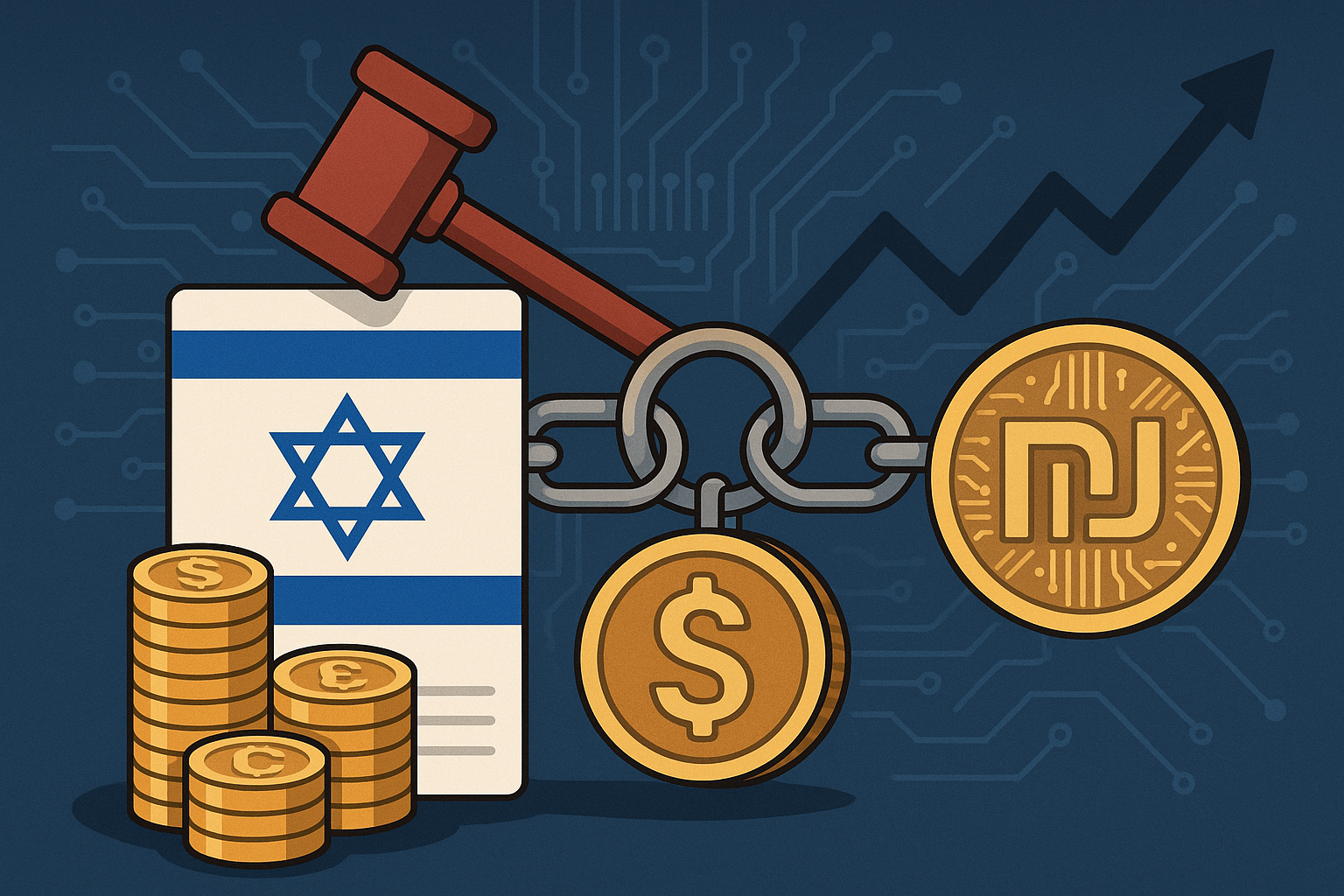

Israeli Regulators Signal Stricter Oversight of Stablecoins Amid Digital Shekel Development
As global adoption of stablecoins rises, Israel is moving towards enhanced regulatory measures for these digital assets. This initiative reflects the country’s commitment to integrating stablecoins into its future payment system while addressing potential systemic risks posed by dominant players in the market.
Global Adoption Pressures Regulatory Framework
Amid a surge in global stablecoin usage, the Bank of Israel is emphasizing the need for regulatory oversight. The total market capitalization for stablecoins has surpassed $300 billion, with monthly transaction volumes exceeding $2 trillion. This growth positions stablecoins alongside the balance sheets of medium-sized international commercial banks, triggering calls for clearer, enforceable regulations.
The central bank’s governor, Amir Yaron, outlined these developments during the Payments in the Evolving Era conference in Tel Aviv, highlighting the increasing necessity for regulatory frameworks as the adoption of stablecoins continues to escalate.
Concerns Over Market Concentration
A critical topic of discussion at the conference was the market dominance of leading stablecoin issuers, Tether and Circle, which together account for 99% of market activity. This concentration raises significant systemic risk concerns within a sector crucial for digital asset transactions. Israeli policymakers warned that any disruptions among these issuers could have sweeping repercussions across global payment channels.
In response, regulators have called for stringent reserve practices, advocating for fully-backed reserves and liquid assets capable of withstanding sudden withdrawal surges.
Advancements in Digital Shekel Initiatives
Alongside the focus on stablecoins, Israel is accelerating its plans for a central bank digital currency (CBDC). Yoav Soffer, leading the digital shekel project, described it as intended for universal use. A roadmap has been set for 2026, outlining the next steps in development, with official recommendations anticipated by the end of the year.
This expedited timeline reflects a broader trend among central banks responding to the rapid evolution of digital payment landscapes and private digital currencies. Market observers view the digital shekel as a strategic move to maintain control over national payment systems while fostering innovation within regulated environments.
